Book cover art-direction brief with genre conventions and full jacket spec
Turn a book's genre and theme into a precise cover art prompt with composition, typography, spine, and back cover guidance — including the genre-specific visual conventions that readers use as instant buy signals.
Result proof
Proof recommended · Generated image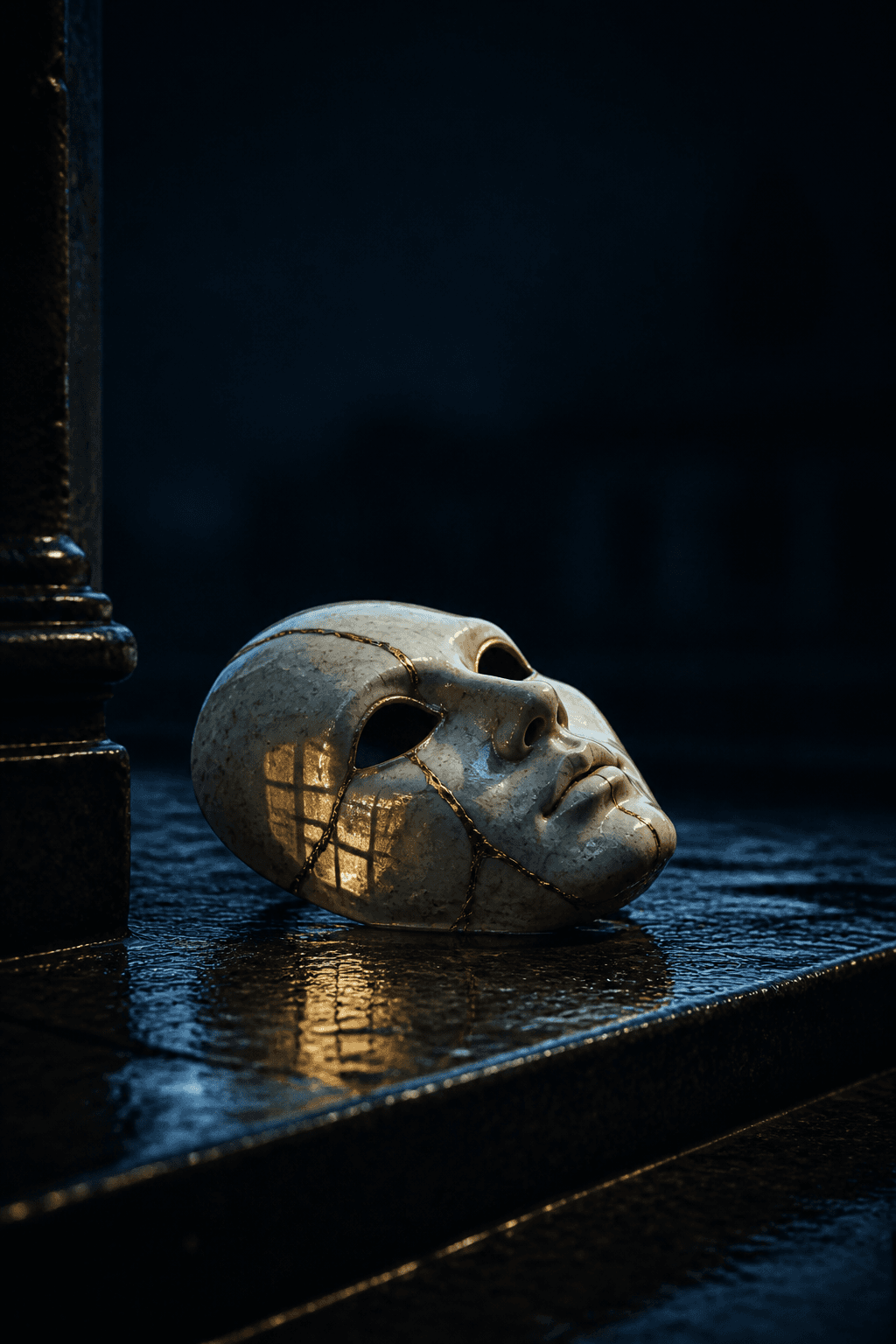
Generated book cover art proof
GPT Image 2 sample generated from the book-cover art-direction prompt, leaving negative space for typography in post.
Prompt
Act as a book cover art director with 10+ years in trade publishing. For a [GENRE] book titled "[TITLE]" about [ONE-LINE PREMISE], produce a complete cover brief.

First, apply the correct genre visual conventions — readers scan covers in <2 seconds and these signals trigger instant recognition:
- **Thriller/Suspense**: Dark palette, high contrast, cinematic lighting, oversized bold sans-serif title, often a lone figure or ominous landscape. The cover should feel like a movie poster.
- **Romance**: Illustrated (trending) or photographic, warm color palette (blush/gold/deep jewel tones), character-forward (couple or single figure), script or elegant serif fonts. Custom illustration is currently outperforming photo covers 3:1 on BookTok.
- **Literary Fiction**: Minimalist, conceptual, lots of negative space, one symbolic element, sophisticated serif typography. The cover should suggest 'this won awards.'
- **Fantasy/Sci-Fi**: Epic scope, rich detail, custom illustration or digital painting, ornate or stylized title treatment, often metallic or embossed effects in print. Maps on the endpapers = genre expectation.
- **Self-Help/Non-Fiction**: Clean, bold, high-contrast title dominates, subtitle does the SEO work, author name prominent if known. Two-color palette max. The title must be readable as a THUMBNAIL.
- **Mystery/Crime**: Moody, atmospheric, often a single symbolic object (a key, a shadow, a door), restrained palette (navy/black/red accent), serif or slab-serif title.
Use these as a starting point, then diverge where [TITLE]'s specific concept demands it.

Deliver:

1. **Primary cover artwork prompt** — composition, focal subject, mood, palette (specify 3-4 hex colors), lighting direction, art style, and explicit negative space reserved for title placement (top third) and author name (bottom). Format for Midjourney with `--ar 2:3 --style raw`. Include `--no text, letters, words` to prevent baked-in text artifacts.

2. **Three alternate concept directions**:
   - A: Symbolic/conceptual (one visual metaphor carries the meaning)
   - B: Character-forward (figure, expression, body language tells the story)
   - C: Typographic/minimal (the title treatment IS the design, minimal imagery)
   For each, give a 2-line concept description and the key visual difference.

3. **Typography guidance**: font category (not a specific font name — e.g., 'geometric sans-serif' or 'humanist serif'), weight, title placement zone, hierarchy (title : subtitle : author sizing ratio, e.g., 5:2:1), and how the title interacts with the artwork (overlaid with drop shadow? knocked out? integrated into the scene?).

4. **Spine and back cover** (often forgotten but critical for print):
   - Spine: title + author + publisher logo, readable at 0.5" width, same palette as front.
   - Back cover: layout zones (blurb area, barcode placement bottom-right, endorsement quotes top, category label). Background should complement the front without competing.

5. **What to AVOID** for this specific genre — the 3 biggest clichés that scream 'self-published amateur' and what to do instead.

Keep the primary artwork prompt copy-paste ready. Never bake text into the AI-generated image — all typography is added in post-production.
- Source
- promptfork seed
- License
- CC-BY-4.0
- Published
- 6/27/2026